
Best Omnichannel Marketing Platforms for Seamless Customer Engagement

The demands of customers have changed radically. As mobile apps, social media, messaging apps, and chatbots take over the communication landscape, customers have come to expect brands to meet them at any time and place, without inconvenience or loss of time.

Why Omnichannel Customer Engagement Matters in 2026?

It is no longer effective to use a fragmented marketing strategy, i.e., sending separate emails or making sporadic posts on social media. There is a risk that businesses that do not offer an integrated experience will risk:

  • Ceding leads and conversions.
  • Reduction in customer satisfaction rates.
  • Damaging brand credibility

By adopting omnichannel marketing platforms, businesses can:

  • Send targeted communications depending on behavior, interest or location.
  • Make sure that there is a uniform experience in email, SMS, WhatsApp, push notifications, and social platforms.
  • Provide a live time response through automation based on AI.

Studies indicate that when consumers undergo an integrated, cross-channel experience, they develop greater likelihood to convert, spend more and become returning consumers. Unifying all touchpoints at a single location allows companies to reduce friction, increase engagement, and develop better and long term customer relationships.

The Shift in Consumer Behavior

Modern consumers now demand:

  • Relevance: Messages must be based on their behavior, purchase history and preferences.
  • Immediacy: Customers desire responsiveness, which usually is on an immediate-time basis.
  • Consistency: All the interactions, on all the channels, should be connected and coherent.

The brands unable to evolve are falling behind the competition who are providing smooth omnichannel experiences.

Best Omnichannel Marketing Platforms for Seamless Customer Engagement

Key Features of Effective Omnichannel Marketing Platforms

The selection of the most appropriate omnichannel tools assists in changing the fragmented marketing activities into a unified and efficient customer experience. The following are the most important features:

1. Unified Messaging Platform

When integrated, messages across all the channels are displayed in a single centralized and user-friendly dashboard. This allows businesses to:

  • Track all campaigns at one location.
  • Minimize the chances of sending the same message.

This can be achieved by being consistent in all channels, including WhatsApp, SMS, email, push notifications, and social media.

Real-world Example: A brand such as retail can inform customers about a sale to all of them by email, push notifications, and WhatsApp. A single system records all contacts and makes the messages the same, there is no over communication.

2. AI-Powered Personalization

AI is not a choice anymore; it is needed to personalize on a mass scale. Modern omnichannel marketing software leverages AI to:

  • Anticipate customer actions and interactions.
  • Auto suggest products or services.
  • Send campaigns at the most appropriate time to get the highest open and click-through rates.

Use Case: An online shop can apply AI to determine the clients who are willing to purchase winter clothes. The platform provides consumers with personalized product recommendations through email, WhatsApp, and push notifications to ensure the most engagement is achieved.

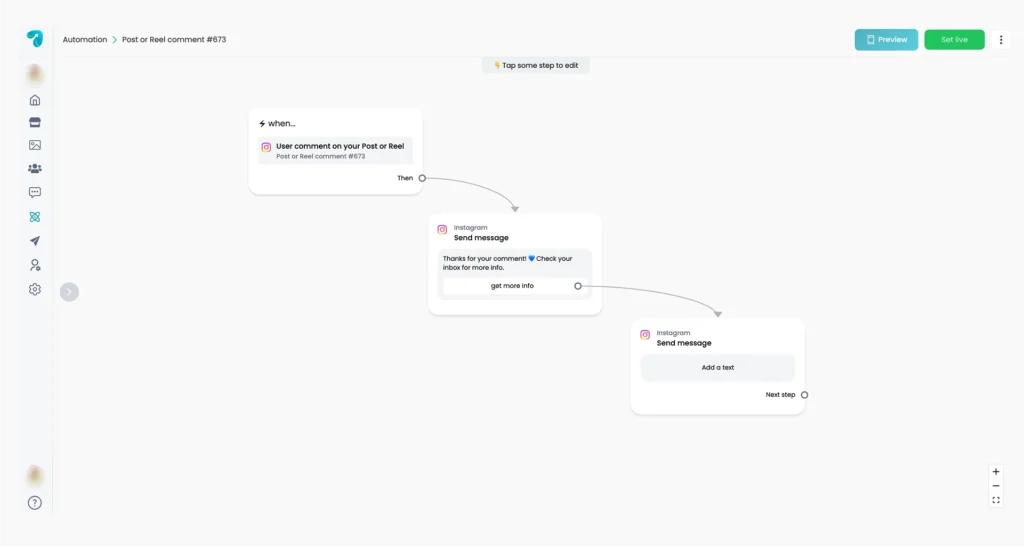
3. Automation of Workflows

Automation guarantees the provision of relevant messages on time. Omnichannel marketing platforms allow businesses to:

  • Behavioral triggered campaigns (abandonment or app usage or search history)
  • Automatize the processes of onboarding new customers.
  • Re-activate dead users through special offers.

Step-by-Step Example:

  1. A new user registers in an app an automated welcome message is delivered through email and the push notification.
  2. User visits the product and fails to make a purchase; automated WhatsApp notification is sent.
  3. In case no purchase was made follow-up with a discount or special offer would be sent.

This will make sure that all customers are targeted with the correct messages in time, promoting conversions and satisfaction.

4. Analytics and Reporting

It is important to measure performance. The best omnichannel marketing software provides:

  • Live engagement measurement boards.
  • profound analysis of the channel performance (email, SMS, WhatsApp, push notifications)
  • Conversion and revenue tracking: Tracking of conversion and revenue.
  • Customer segmentation analytics.

Knowing what works, businesses will be able to keep campaigns going, optimize ROI, and advance customer experiences.

5. Integration with CRM and Backend Systems

An effective omnichannel platform is compatible with CRMs, E-commerce platforms, customer data platforms, and support tools. This allows businesses to:

  • Centralize customer data.
  • Have one perspective of the customer.
  • Send automated messages to users depending on their actions.

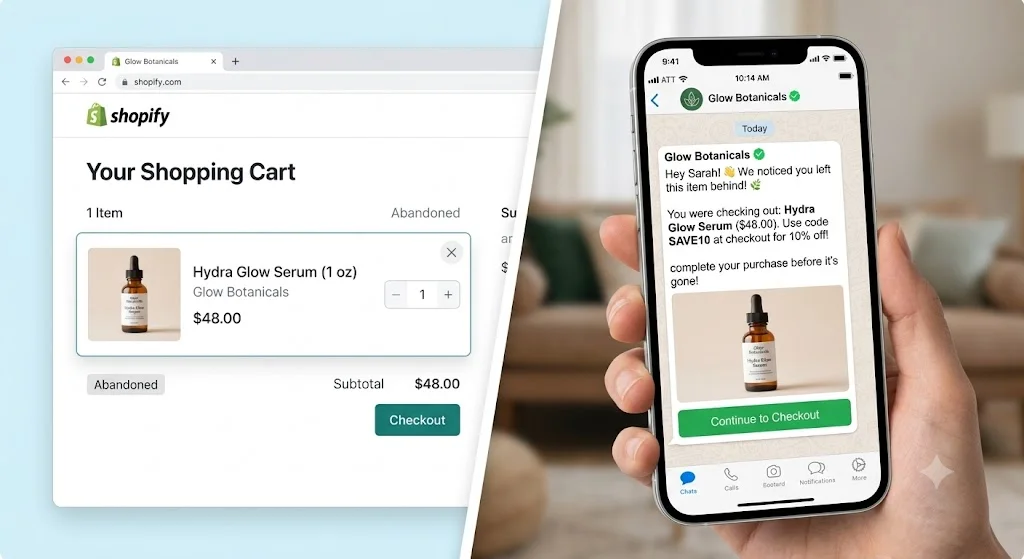
Example: Shopify or Magento integration with any omnichannel platform that will make sure that cart abandonment notifications are sent via several channels but in a personalized manner and do not require human intervention.

Top Omnichannel Marketing Platforms in 2026

There are several common defining features of the best platforms, such as AI based personalization, multi-channel orchestration, seamless integration, and real time analytics.

1. AI-Driven Automation

AI will be able to conduct smarter marketing campaigns:

  • Auto-generating personalized campaign content.
  • Anticipating the best sending hours of each customer group.
  • Suggesting products or services on the basis of the past behavior.

According to recent reports, the engagement of businesses that use AI-powered omnichannel tools tends to increase by approximately 25 percent and conversions by approximately 20 percent.

2. Multi-Channel Orchestration

Multi-channel marketing platforms enable the brands to manage coordination of messages to:

  • Email, SMS and push notifications.
  • WhatsApp, Messenger and other chat applications.
  • Social media platforms
  • In-app notifications

This facilitates steady messaging and avoids channeling overlap or over-communicating.

3. Omnichannel Customer Engagement

Successful platforms involve a combination of marketing, sales and customer support to develop a continuous engagement:

  • Auto responses to frequently asked questions.
  • Loyalty programs that are individualized.
  • VIP customer recognition campaigns.

Scenario: One of the high value carts is left behind by a customer. The platform can:

  1. Send email reminder personally.
  2. Send a time sensitive WhatsApp message with a discount.
  3. Send a push notification using product pictures.

This will have a high chance of conversion and maximize the customer experience.

4. Scalability and Integration

Omnichannel marketing software must scale with your business. Features include:

  • CRM and e-commerce integration.
  • Capacity to process thousands of customers at the same time.
  • Integrated dashboard to track the engagement, conversions and campaign performances.

Companies in the scalable platform will be able to roll out multi-step and complicated campaigns without losing personalization.

Top Omnichannel Marketing Platforms: Comparison Table

To simplify the process of selection of the appropriate solution by businesses, here is a comparison of the best omnichannel marketing platforms, their main features, AI-based capabilities and channels which they support:

Platform
AI Capabilities
Supported Channels
Key Features
Ideal Use Case
Platform A
Predictive analytics, automated recommendations, personalized content
Email, SMS, WhatsApp, push notifications, social media
Workflow automation, unified dashboard, multi-channel orchestration
Mid to large e-commerce brands looking to increase engagement and conversions
Platform B
AI-powered chatbot, sentiment analysis, engagement scoring
Email, SMS, WhatsApp, Messenger, mobile app notifications
Omnichannel engagement, loyalty automation, A/B testing
Retail and B2C companies focused on customer retention and loyalty programs
Platform C
Dynamic content generation, predictive personalization, send time optimization
Email, SMS, push, social, in-app chat
CRM integration, real time analytics, behavioral triggers
Enterprises needing large scale automation with deep customer insights
Platform D
Artificial intelligence segmentation, customization engine, smart product recommendations.
SMB and mid-market companies willing to have ROI oriented campaigns with little maneuvers.
Platform E
Conversational AI, predictive insights, AI-based lead scoring
Email, SMS, chat apps, push notifications, social
Omnichannel workflow orchestration, template management, reporting
SaaS companies and service providers optimizing customer lifecycle management

Key Takeaways from the Table:

  • Platforms that are AI-powered in personalization have greater engagement and conversion.
  • Multi-channel support will make sure that there are uniform messages between the touchpoints preferred by the customers.
  • Backend systems and CRM integration will enable a customer journey to be seen in full perspective.
  • Features such as workflow triggers and behavior-based messaging will save time as well as enhance relevancy and are automation features.

Examples of Implementation: Platform C can be used by a retail brand to deliver a triggered email, WhatsApp reminder, or push notification to customers who abandon their shopping cart. Complementary products can also be proposed by AI, which will offer more opportunities to buy the product and retain the customer.

Mini Case Studies: Real-World Success Stories

Below are some common use cases

Platform A – E-Commerce Brand:

Platform A was employed by an online fashion retailer to implement a promotion about the holiday through email, push notifications, and WhatsApp. High-value customers were segmented with the help of AI, and individual discounts were delivered. Outcome: 30 percent and 20 percent increase in holiday sales and engagement respectively.

Platform B – Retail Chain:

Platform B was used in a multi-store retail chain where loyalty program messages were to be automated. Individualized birthday gifts, reminder of store visits, and chat-based offers contributed to the growth of the number of repeat visits by 25 percent and increased customer loyalty.

Platform C – Enterprise SaaS:

The Platform C got used by a SaaS company which was integrated to derive onboarding sequences on email and in-app notifications. Suggestions powered by AI led to better features adoption and ensured a reduction of churn by 15 percent within three months.

Platform D – Mid-Market E-Commerce:

The e-commerce brand being discussed is a growing one that utilized Platform D to reclaim abandoned carts. The automated workflows were demonstrably powerful with an 18 percent increase in the conversion rates using multi-channel notifications through WhatsApp, SMS and email.

Platform E – Service Provider:

One of the subscription-based service providers used Platform E to conduct upsell campaigns on various channels. Conversational AI proposed add-ons depending on the way they are used, which increased upsell revenue by 22 percent within six months.

Implementing Omnichannel Customer Engagement Platforms Effectively

Platform implementation is not only a software issue, but a strategy issue.

Step 1: You have to begin by mapping out your customer journey.
Determine all the touchpoints, inclusive of the awareness to post purchase. Know the most effective areas of communication and the channels that your customers use.

Step 2: Segment Your Audience
D
evelop behavioral and demographic data to develop targeted segments. Segmentation is relevant and it boosts engagement.

Step 3: Automate Campaigns
Install automated processes on the grounds of triggers such as:

  • Sign-ups
  • Cart abandonment
  • Inactivity
  • Loyalty milestones

Timely personalized communication through all channels is ensured by automation.

Step 4: Monitor and Optimize
Monitor open rates, clicks and conversion with the help of analytics. Carry out A/B testing of messages, channels and time to constantly optimize campaigns.

Step 5: Beef it up: Customization of the Beyond.
Use AI to provide active recommendations, content and offers. For example:

  • Offer after sales products.
  • Give location promotions.
  • Reward customers on special occasions with customized gifts.

Emerging Trends in Omnichannel Marketing Platforms

In the future, successful platforms will incorporate:

  • Grandmother and Grandfather Clause: AI-inspired predictive customer messaging.
  • 2-way communication via video, voice and chat.
  • Live marketing and support team analytics consoles.
  • Improved CDP functions to combine behavioral and transactional data.

Brands that embrace these trends will not be left behind, they will be relevant, competitive, and they will be in a position to provide seamless experiences even in 2026 and beyond.

Measuring Success with Omnichannel Platforms

Key KPIs include:

  • Open and click rates on all channels.
  • Conversion and revenue per campaign.
  • Customer retention and purchase rate repeat.
  • Interaction with robots and interactive messaging.
  • Loyalty measures including points redeemed or being a VIP.

Case study: An example of a retail company operating on an omnichannel platform is where the company experienced a 30 percent repeat buying rate when using AI-powered and behavior-centered campaigns in email, WhatsApp, and push messages.

Conclusion

There is no longer a possibility of a disjointed communication strategy. The strong omnichannel marketing platform can be used to make sure that the customers are approached at the personal, efficient, and consistent level at all touchpoints.

With the help of AI, unified messaging, multi-channel orchestration, analytics and real world applications, businesses can:

  • Enhance interactions and turnovers.
  • Intensify customer loyalty.
  • Maximize marketing performance and ROI.

Omnichannel marketing is an investment that would keep your business relevant, connected, and customer driven today and in the future.

Scroll to Top